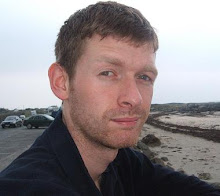
Ivor Callely, the Senator who was recently thrown out of Fianna Fail, has refunded more money back to the state. The latest refund of €737.60 came after Callely reviewed his Oireachtas expense files last month.
Callely has already refunded €2,879 in mobile phone expenses after he admitted that invoices he submitted were fake. The invoices he submitted from Business Communications in Fairview from 2002 to 2006 came years after that company was dissolved.
The Senator has now found that as well as four claims for mobile phones based on fake invoices from Business Communications, there was another claim in 2008 which was based on an invoice from In-Tech Ireland based at the same Fairview address.
This gets stranger and stranger.
A former In-Tech employee confirmed to me that the company did share an adress with Business Communications, owned by the Baxter family, but In-Tech moved to Finglas in 2002. This source said In-Tech Ireland never sold phones either.
According to a representative of Callely, he decided to make this second refund because of "concerns" over the validity of an invoice from the same Fairview address used in previous invoices.
The full story is in The Sunday Times. You can see Ivor's letter of refund and cheque here.
Monday, September 20, 2010
Sunday, September 19, 2010
Dick Roche attacks HSE tender for taxis in Wicklow
We published a story in The Sunday Times today about how Dick Roche, the Minister for Europe, had tried to get the board of the HSE to hold off from awarding tenders for taxi services after a Wicklow firm failed to secure a contract earlier this year.
The Wicklow firm that Roche lobbied for is run by Pat and Irene Sweeney in Arklow. Pat Sweeney has been a town councillor in Arklow for Fianna Fail while Irene, his wife, ran unsuccessfully for Fianna Fail in last year's local elections.
Roche wrote to Brendan Drumm, chief executive of the HSE, and the HSE's board to criticise the "fundamentally flawed" HSE tender process for taxi services in which the Sweeney's failed to win a contract. The entire correspondence, as released through the Freedom of Information Act, is available here.
The first email which describes the tender process as having fundamental flaws is sent from Roche's Department of the Taoiseach email. Two further letters are sent on official Department of the Taoiseach paper including one where the HSE's response is described as "completely inadequate". The minister says that he is only getting involved because of concerns for his constituents' safety under the new taxi service.
There are some choice quotes from Roche in these letters and emails.
1. Roche asks that his complaints be "considered fully before the HSE board makes any final decision in the case". Testimonials for the Sweeneys that he includes from a doctor and two patients "must" be factored in to any final decision the HSE makes on the tender. He also asks for HSE management to have a face-to-face meeting with Irene Sweeney before making a final decision on the contract.
2. The HSE scoring system "defies logic". It is focused on "bureaucratic requirements rather than patient systems".
3. Regarding National Radio Cabs (NRC), a rival taxi firm:
"...even a casual user of taxi services in the greater Dublin area must come to the conclusion that that they are far from exemplary.... "
"Have you checked them for cleanliness? Have you checked the capacity of the drivers to find to find their way around the remote villages and rural villages of Co Wicklow? If you haven't done these things how in the name of goodness can you possibly score a potential contractor based far away from these remote parts of Co Wicklow more highly than you could score the Sweeneys?"
In fact the NRC's contract with the HSE only covers the Dublin area. It's amazing Roche would seek to denigrate another taxi firm like this.
4. On a Department of the Taoiseach letter sent on February 18, Roche writes to the HSE board to say the new taxi service "cannot work" and any saving achieved is "at the cost of patient comfort and service".
5. On a further letter sent to Drumm on February 18 from the Department of the Taoiseach, and copied to Mary Harney, the Minister for Health, Roche says the HSE's responses have been "entirely unsatisfactory in tone and content". He wrote that the service arrangements entered in to by the HSE "are not focused on patient care" and HSE officials "on the ground" were not consulted.
6. This letter questions whether the HSE tender operated in a "fair, open transparent and non-discriminatory manner".
7. Roche says the HSE did not respond to valid questions from a public representative.
"Your organisation is not above public scrutiny," he tells Drumm.
8. In a further letter on March 15, from Roche's constituency office, the HSE's responses are again criticised.
"It strikes me that Tallaght is not the only institution in the health service that is very poor in terms of responses to communications," he wrote.
9.In this letter he describes a problem with the new taxi service. In one instance an old lady getting dialysis had to spend over an hour waiting in a taxi for another patient. This was a "last straw". He said the woman later tried to take her own life. He goes on to say her problem with the taxi service wasn't a direct contributory factor as she had other family problems but it "didn't help".
The correspondence is remarkable. The criticisms from Roche wouldn't wouldn't look out of place in an opposition TD's speech attacking the HSE.
James Reilly, Fine Gael's spokesman on health, told us that he believed Roche's letters were "unacceptable" as they were a clear attempt to influence the HSE's tender process. Reilly said he will be calling on Mary Harney to make a statement on the matter.
The Wicklow firm that Roche lobbied for is run by Pat and Irene Sweeney in Arklow. Pat Sweeney has been a town councillor in Arklow for Fianna Fail while Irene, his wife, ran unsuccessfully for Fianna Fail in last year's local elections.
Roche wrote to Brendan Drumm, chief executive of the HSE, and the HSE's board to criticise the "fundamentally flawed" HSE tender process for taxi services in which the Sweeney's failed to win a contract. The entire correspondence, as released through the Freedom of Information Act, is available here.
The first email which describes the tender process as having fundamental flaws is sent from Roche's Department of the Taoiseach email. Two further letters are sent on official Department of the Taoiseach paper including one where the HSE's response is described as "completely inadequate". The minister says that he is only getting involved because of concerns for his constituents' safety under the new taxi service.
There are some choice quotes from Roche in these letters and emails.
1. Roche asks that his complaints be "considered fully before the HSE board makes any final decision in the case". Testimonials for the Sweeneys that he includes from a doctor and two patients "must" be factored in to any final decision the HSE makes on the tender. He also asks for HSE management to have a face-to-face meeting with Irene Sweeney before making a final decision on the contract.
2. The HSE scoring system "defies logic". It is focused on "bureaucratic requirements rather than patient systems".
3. Regarding National Radio Cabs (NRC), a rival taxi firm:
"...even a casual user of taxi services in the greater Dublin area must come to the conclusion that that they are far from exemplary.... "
"Have you checked them for cleanliness? Have you checked the capacity of the drivers to find to find their way around the remote villages and rural villages of Co Wicklow? If you haven't done these things how in the name of goodness can you possibly score a potential contractor based far away from these remote parts of Co Wicklow more highly than you could score the Sweeneys?"
In fact the NRC's contract with the HSE only covers the Dublin area. It's amazing Roche would seek to denigrate another taxi firm like this.
4. On a Department of the Taoiseach letter sent on February 18, Roche writes to the HSE board to say the new taxi service "cannot work" and any saving achieved is "at the cost of patient comfort and service".
5. On a further letter sent to Drumm on February 18 from the Department of the Taoiseach, and copied to Mary Harney, the Minister for Health, Roche says the HSE's responses have been "entirely unsatisfactory in tone and content". He wrote that the service arrangements entered in to by the HSE "are not focused on patient care" and HSE officials "on the ground" were not consulted.
6. This letter questions whether the HSE tender operated in a "fair, open transparent and non-discriminatory manner".
7. Roche says the HSE did not respond to valid questions from a public representative.
"Your organisation is not above public scrutiny," he tells Drumm.
8. In a further letter on March 15, from Roche's constituency office, the HSE's responses are again criticised.
"It strikes me that Tallaght is not the only institution in the health service that is very poor in terms of responses to communications," he wrote.
9.In this letter he describes a problem with the new taxi service. In one instance an old lady getting dialysis had to spend over an hour waiting in a taxi for another patient. This was a "last straw". He said the woman later tried to take her own life. He goes on to say her problem with the taxi service wasn't a direct contributory factor as she had other family problems but it "didn't help".
The correspondence is remarkable. The criticisms from Roche wouldn't wouldn't look out of place in an opposition TD's speech attacking the HSE.
James Reilly, Fine Gael's spokesman on health, told us that he believed Roche's letters were "unacceptable" as they were a clear attempt to influence the HSE's tender process. Reilly said he will be calling on Mary Harney to make a statement on the matter.
Subscribe to:
Posts (Atom)